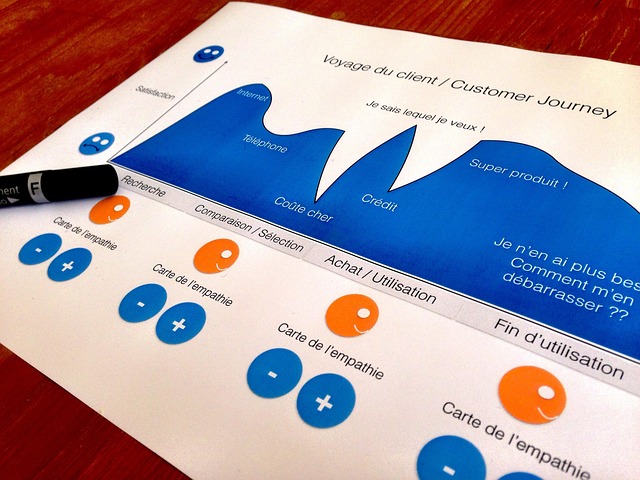
Understanding the Customer Journey
The customer journey is the path users take when interacting with your software. It starts from their first contact and continues until they become loyal users.
Mapping this journey helps identify pain points and opportunities. Understanding user behavior is key to enhancing their experience.
Identifying Touchpoints
Touchpoints are moments when users interact with your software. Examples include visiting your website, signing up for a free trial, or using customer support.
List all possible touchpoints. This helps visualize the whole journey and ensures no interaction is overlooked.
- Website visits
- Account creation
- Feature usage
- Customer support inquiries
Creating User Personas
User personas represent your typical customers. They include demographics, goals, and challenges.
Create several personas to capture the diversity of your audience. This will help tailor the customer journey to different user needs.
Mapping the Journey
Use tools like flowcharts or diagrams to visualize the customer journey. Start from the first touchpoint and move through each stage.
Identify emotions, thoughts, and actions at each stage. This will highlight areas for improvement.
- Flowcharts
- Diagrams
- Emotional mapping
Analyzing and Improving
Once you have your map, analyze it for gaps or friction points. Ask for user feedback to gain insights into their experiences.
Make necessary changes to improve the journey. A smoother customer experience can lead to higher satisfaction and recurring revenue.
Owning Your Customer Journey
By mapping the customer journey, you gain valuable insights into your software's performance. This knowledge is an asset for your business.
Continuous improvement of the customer journey can enhance user retention and loyalty, making your software a more valuable asset.